How to Price Your Art

One of the hardest aspects of being an artist is figuring out how much to charge. Whether you're working on a picture book, editorial illustration, or a commission, pricing can feel overwhelming. You don't want to price too high and scare off potential clients, but you also don't want to undercharge and sell yourself short.
It’s stressful, but it doesn’t have to be.
Most artists struggle with pricing simply because it’s rarely taught in art school, and many new illustrators have no idea what’s standard or how to confidently ask for what they’re worth.
This guide breaks everything down so you can price your work fairly, sustainably, and with confidence.

Understanding the Basics of Pricing
When I started out, I had no idea what to charge. I either pulled numbers out of thin air or accepted whatever the client offered—assuming they knew the industry better than me.
Spoiler: they didn’t.
The truth is, I was severely undercharging myself—and many artists still do.
If you’re unsure where to start, these resources are game-changers:
Graphic Artists Guild Handbook – Industry-standard pricing for illustration, licensing, publishing, design, and more.
Litebox.info – A completely free resource with rate guides and real artists’ pricing submissions.
Association of Illustrators (AOI) – A UK resource with a pricing calculator and great breakdowns.
And remember: your peers can be powerful resources. Ask questions. Share experiences. We’re all in this together.
Industry Pricing Basics
Pricing varies depending on the field. Here are standard ranges (these vary by region and experience, but they're solid baselines):
Editorial Illustration
Spot: $150–$500
Half page: $250–$800
Full page: $500–$1,500
Cover: $1,000–$3,000+
Editorial tends to pay the least, but it builds credibility.
Children’s Books
$4,000–$20,000+ per book (U.S. market)
Paid as advance + royalties
Higher rates for established illustrators or complex styles
Advertising / Commercial
$2,000–$10,000+ per illustration
High usage fees due to reach and visibility
Licensing
5–10% royalties, or flat fees + royalties
Used for stationary, fabrics, packaging, etc.
Private Commissions
$200–$1,500+ depending on size, detail, and usage
Often non-commercial use only
These ranges aren’t rules, but they help you know what’s typical.
Should You Ever Work for Free?
Short answer: No.
Longer answer: Absolutely not.
Exposure isn’t payment. Portfolio-building isn't payment. “We might hire you in the future” isn't payment.
Your art is a skill, a service, and a profession.
If a client wants “spec work” (a free sample they may or may not use), negotiate a small paid test fee. If they’re serious, they’ll pay. If they aren’t, that tells you everything you need to know.
Working for free devalues your work and sets a dangerous precedent—for you and for the industry.
Flat Fee vs. Hourly Rate: Which Should You Use?
Both are valid, but they serve different purposes.
Hourly Rate (Time-Based Pricing)
You charge for the number of hours or days you work.
Example:
$35–$75/hour
$200–$350/day (or more depending on experience)
Good for:
✔ Ongoing work
✔ Projects with unclear scope
✔ Meetings, consulting, administrative work
Downside: Hourly pay doesn’t reflect the value or expertise behind the art—just the clock.
Flat Fee (Value-Based Pricing)
You charge one set price for the entire project.
Example:$1,000 for a magazine cover, regardless of hours.
Good for:
✔ Illustration projects
✔ Picture books
✔ Editorial work
✔ Advertising
✔ Packaging
✔ Licensing
Flat fees better account for:
project value
usage rights
client size
distribution
demand for your style
Most professionals in our industry use flat-fee pricing because it's cleaner and reflects value—not just time spent.
How to Calculate Your Hourly or Day Rate
Before you set a flat fee, you need a baseline.
Determine your desired annual incomeInclude:
Personal expenses
Business expenses
Health care
Taxes
SavingsAdd 10–15% for unexpected costs.
Estimate the number of working days per yearMost freelancers realistically work about 231 days per year (allowing for weekends, holidays, admin work, sick days, etc.).
Calculate your rateAnnual salary ÷ working days = day rateDay rate ÷ 8 = hourly rate
Example
You want to earn $60,000/year:
$60,000 ÷ 231 = $259.74/day
$259.74 ÷ 8 = $32.50/hour
This is your minimum baseline—not your ceiling.
Factors That Affect Your Pricing (Especially for Flat Fees)
Flat-fee projects should never be one-size-fits-all.Your pricing depends on:
1. Client Size
A small indie author cannot pay what a large publishing house or corporation can.
2. Rights
More rights = higher feeExamples:
Exclusive use
Worldwide use
Unlimited time usage
Print + digital + merchandising
3. Usage & Visibility
How many people will see your art?More visibility = higher fee.
4. Geographic Location
Budgets vary from region to region.(U.S., U.K., Canada, and Australia tend to pay higher than many countries.)
5. Scope & Complexity
More illustrations? Higher detail? Complex scenes? Different styles?All increase the fee.
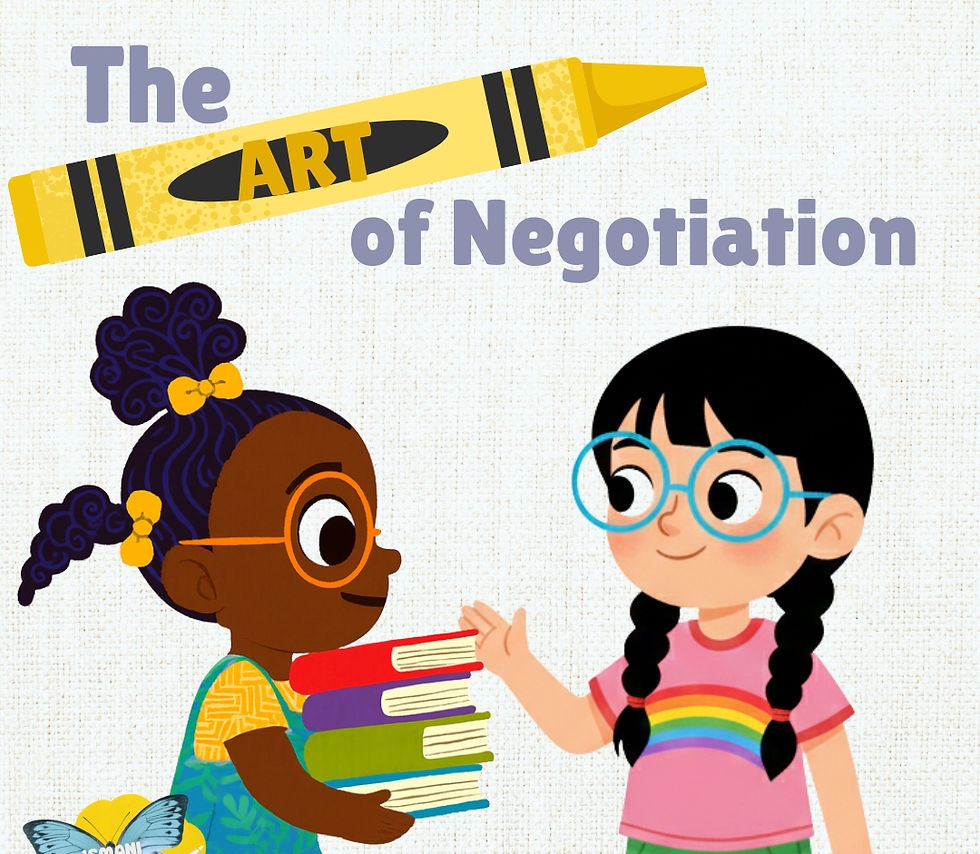
Negotiating Your Rate
Negotiation is normal—and necessary.
Here’s how to negotiate without fear:
Don’t Underestimate Yourself
If clients say yes immediately every time, you’re likely undercharging.
Raise Your Rates When Needed
If you’re booked out, in high demand, or turning away projects, it’s time to raise your numbers.
Include Revisions
Always state:
How many revisions are included
How much additional revisions cost
This protects your time and keeps the project on track.
Stay Flexible, Not Discounting
If a client has a smaller budget:“I can adjust the scope to fit your budget.”
Not:“I can lower my price.”
Research Your Pricing
Before quoting, research:
What similar artists charge
What the industry standard is for your type of project
The value the project brings the client
Whether the client is a small business, nonprofit, or large corporation
Knowing the landscape helps you quote confidently.
Final Thoughts
Pricing your art can feel intimidating, but once you understand the numbers, the industry, and your value, the process becomes much easier.
You’re not just charging for your time—you’re charging for:
your skill
your lived experience
your creative problem-solving
your artistic voice
the value your work brings to the client
You deserve to earn fairly for that.
✸ Need Help Pricing Your Art? I’ve Got You. ✸
If pricing stresses you out — or if you want tools to look professional, set boundaries, and quote confidently — my Freelance Illustrator Master Kit was built exactly for this.
Inside, you’ll get:
✔ Pricing Guide + Rate Worksheets
To calculate your rates without second-guessing.
✔ A Legally-Sound Contract Template
Plug-and-play, customizable, and built to protect you.
✔ A Canva Portfolio Website Builder Template
So you can create a polished, professional website fast — even if tech overwhelms you.
✔ Client Questionnaires, Briefs & Checklists
Everything you need to run a smooth, professional process.
✔ Email Scripts for Negotiating, Following Up & Raising Rates
So you never freeze or struggle with what to say.
If you want clarity, confidence, and structure — this kit will help you price your work properly and present yourself like a pro. Grab yours HERE
✸ Struggling to set the right price for your work? I can help! ✸
Book a consulting session with me to dive deeper into:
pricing strategies
usage & licensing
building your rate sheet
negotiating with confidence
understanding your industry value
You don’t have to guess your prices anymore—let’s get you earning what your art is worth.

$50
Product Title
Product Details goes here with the simple product description and more information can be seen by clicking the see more button. Product Details goes here with the simple product description and more information can be seen by clicking the see more button

$50
Product Title
Product Details goes here with the simple product description and more information can be seen by clicking the see more button. Product Details goes here with the simple product description and more information can be seen by clicking the see more button.
$50
Product Title
Product Details goes here with the simple product description and more information can be seen by clicking the see more button. Product Details goes here with the simple product description and more information can be seen by clicking the see more button.

Comments